
Capacity
One piece

Materials
Brass, copper, steel, etc.

Compressive force
Up to 20,000 tonnes

Quality
ISO 9001
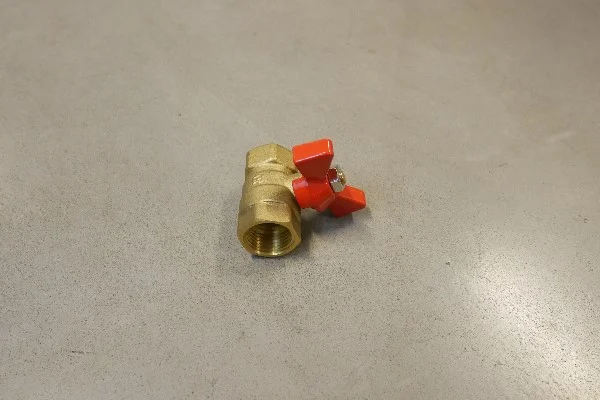
In hot pressing, the material is heated to an optimum temperature and the component is then shaped in a die using, for example, a standard eccentric press. It is a fast process with a cycle time of approximately 2–4 seconds.
In many cases, both material and machining time are saved by using hot pressing. Where there is a significant difference between a part’s largest and smallest diameters, a great deal of material is saved if it has previously been turned. The tooling cost is relatively low, which is also a major advantage.
Forging is the same process as hot pressing, but is normally carried out using a hydraulic press or screw press. It takes longer but offers the same advantages, such as savings in material and machining time.
We have access to a Water Hydraulic Press.







Give us a call

Our partnership with 2BAB has provided us with a reliable supply chain where quality and delivery are always the priority.
They understand the industry’s requirements and deliver solutions that work in the real world – not just on paper.
With 2BAB as our partner, we have been able to streamline our production without compromising on precision.





For components where large amounts of material would otherwise need to be removed by cutting processes, hot pressing and forging can deliver significant savings whilst streamlining production.
By shaping the material to close to its final geometry at an early stage of manufacture, the need for subsequent machining is reduced. This often results in less material waste, shorter machining times and more cost-effective manufacturing, particularly in the case of recurring production and larger batches.
Hot-formed and forged components are used in a wide range of applications where strength, reliability and a long service life are required. These processes are well suited to parts with complex shapes, varying material thicknesses or geometries where traditional machining would result in significant material loss.
Through our network of specialist manufacturing partners, we help you assess when hot-forming or forging is a suitable option and identify the solution that offers the best balance between function, quality and life-cycle cost.
Many components also require additional manufacturing stages, such as heat treatment, machining, surface treatment or assembly. We coordinate the entire process and ensure that every component is delivered in accordance with the drawings, specifications and quality requirements.
We simply find the very best deal for you and your hot-pressed or forged components!